All Categories
Featured
Understanding Indexed Universal Life Benefits for Reti...
Selecting Medicare Advantage vs Medicare Supplement Plans
How to Obtain Best Medicare Supplement Coverage
Table of Contents
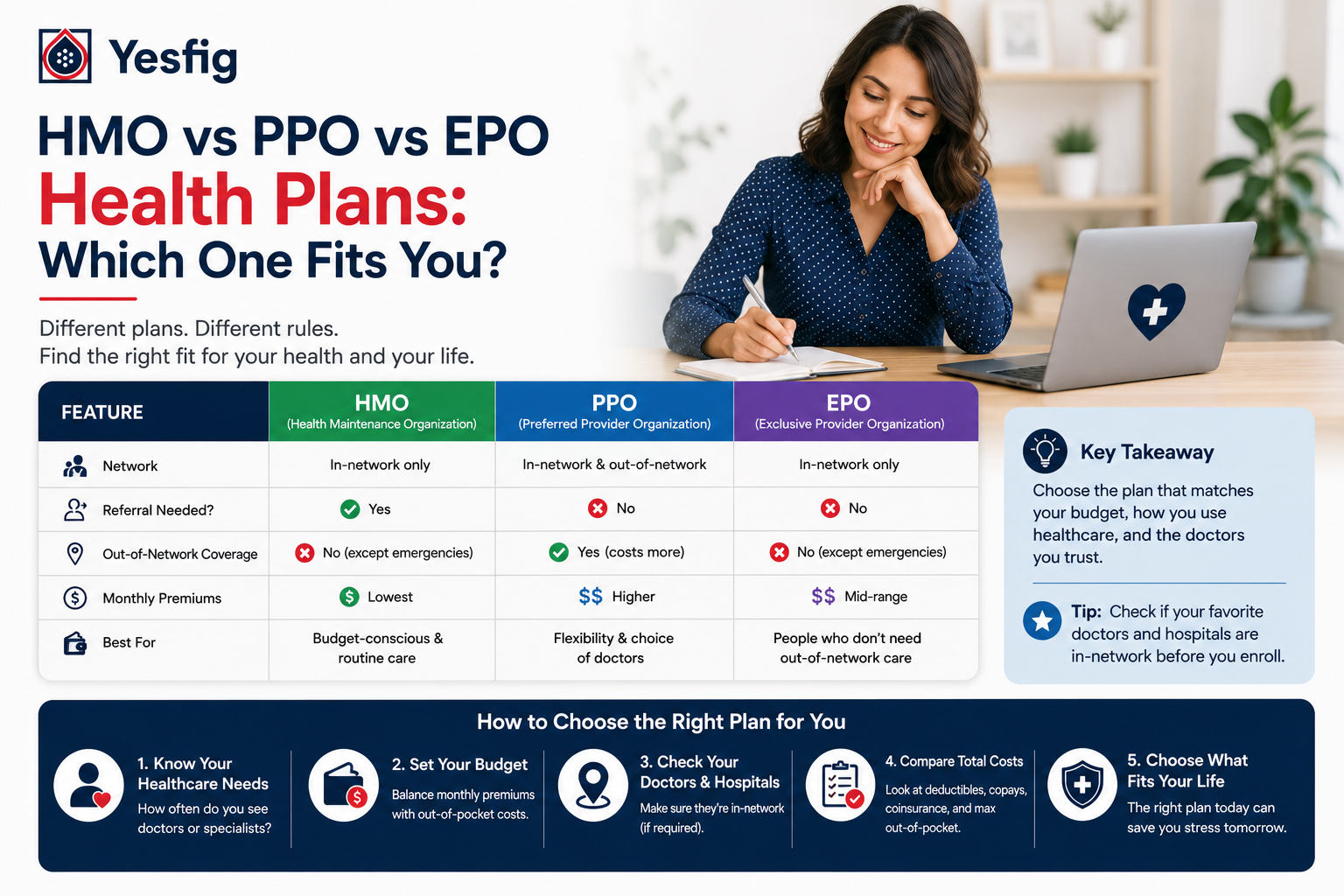
Premiums are normally lower for HMO plans, and there is normally no deductible or a low one. Some HMO plans, consisting of those used by Medical Mutual, do not need you to pick a PCP or have a recommendation to see an expert. For more HMO specifics, read our About HMO Strategies post.
They likewise include a network of providers, but there are fewer constraints on seeing non-network companies. In addition, your PPO insurance coverage will pay if you see a non-network company, although it might be at a lower rate. Here are some key features: You can see the doctor or professional you 'd like without having to see a PCP first.
Your advantages will be much better if you remain in the PPO network. As discussed above, Distinctions in between HMO (Health Maintenance Company) and PPO (Preferred Provider Organization) plans include network size, capability to see specialists, expenses, and out-of-network protection.
Strategic Financial Strategies Using Life Insurance
A specifying function of HMO and PPO strategies is that they both have networks. Networks are one way to lower health care expenses network companies concur to offer discount rates in exchange for access to a health plan's members.
In general, PPO networks tend to be more comprehensive, consisting of more medical professionals and hospitals than HMO strategies, offering you more choice. Networks will differ from insurance provider to insurance provider, and plan to plan, so it's best to research each plan's network before you choose. The majority of HMOs will need you to pick a medical care physician, who will be the main point of contact for your medical care.
Expenses for experts will not be covered without a PCP referral. On the other hand, PPOs tend not to need selection of a PCP, and you can generally see an expert without a recommendation, and still have actually these expenses covered. For both PPO and HMO plans, your expenses for care will be lowest if you get it from in-network companies.
For HMOs, out-of-network services are usually not covered at all, except for emergency situations. PPOs vary from HMOs in that PPO strategies will generally supply some coverage for these types of services, however coverage for in-network service providers will be much better. The extra protection and flexibility you receive from a PPO means that PPO plans will normally cost more than HMO strategies.
Understanding US Medicare Enrollment Options for Seniors
This is the quantity of health care expenses you must pay before your plan starts to cover your expenses. Not all HMOs have deductibles, but when they do, they tend to be lower than PPO deductibles.
49% of covered employees had PPO plans in the study, while HMOs covered 16%. When it concerns your own health plan option, it might seem like a cliche, however when choosing between an HMO or PPO strategy, it is not necessarily about which is much better, but which is finest for you.
If your financial scenario determines that cost is most essential, you might seriously consider opting for an HMO strategy. Typically speaking, expenses for HMO plans will be less. Premiums tend to be lower, and deductibles will likewise be lower, or might be absent entirely. The compromise will be flexibility, however.

Unlike a lot of HMO health insurance, you won't likely require to pick a medical care doctor, and you will not normally require a recommendation from that physician to see an expert. A PPO network will likely be bigger, providing you a greater choice of in-network doctors, experts, and centers to select from.
Comparing PPO and HMO Insurance
With HMOs, out-of-network protection will usually be limited to emergencies; non-emergency services are not typically covered at all. To help you weigh the benefits and drawbacks described above, here's a quick summary of them: With any plan, check the company network to see if your favored suppliers remain in the plan's network, considering that staying in-network will save you money.
You might discover that the particular HMO plan you're thinking about contains your preferred service providers, or at least enough of them to fulfill your needs. If you're considering a Medical Shared strategy, you can check our networks before you apply. For tips on picking the very best health insurance strategy for your needs, see our article on Comparing Health Insurance Plans.

Latest Posts

Understanding Indexed Universal Life Benefits for Retirement

Selecting 2026 Medicare Advantage Options
Selecting Medicare Advantage vs Medicare Supplement Plans